
Research Peptides, Diagnostic development, peptide, pharmaceutical research, Specialized applications
Best Peptide Storage Solutions for Long-Term Research
Dec
Best Peptide Storage Solutions for Long-Term Research Use
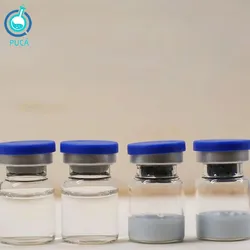
Choosing the best peptide storage solutions for long-term research use is essential for maintaining molecular stability, purity, and research reliability. Even high-quality peptides can degrade if stored incorrectly, leading to inconsistent results and wasted investment.
This guide explains how researchers can store peptides safely over extended periods while preserving integrity and performance.
Why Proper Peptide Storage Is Critical
Peptides are highly sensitive biomolecules. Exposure to heat, moisture, oxygen, or light can cause degradation, oxidation, or aggregation.
Correct storage helps ensure:
-
Molecular stability over time
-
Reliable experimental outcomes
-
Reduced material loss
-
Compliance with research protocols
Proper handling begins the moment peptides arrive at your facility.
Recommended Temperature Conditions for Peptide Storage
Short-Term Storage
For peptides in frequent use:
-
2°C to 8°C (refrigerated)
-
Keep vials sealed and protected from light
Long-Term Storage
For extended research timelines:
-
-20°C to -80°C (freezer storage)
-
Avoid frost-free freezers due to temperature cycling
Ultra-low temperatures significantly slow chemical degradation and microbial growth.
Best Containers for Long-Term Peptide Storage
Using the right container is just as important as temperature.
Ideal Storage Materials
-
Amber glass vials (light protection)
-
Airtight, moisture-resistant seals
-
Sterile, chemically inert containers
Additional Protection Tips
-
Use desiccants to reduce humidity
-
Minimize headspace to limit oxidation
-
Label vials clearly with batch and date
Reconstitution and Aliquoting Best Practices
Repeated freeze-thaw cycles reduce peptide stability.
To prevent degradation:
-
Reconstitute only what is needed
-
Divide solutions into single-use aliquots
-
Avoid refreezing diluted peptides
This method supports consistent dosing and extended usability.
How Quality Suppliers Support Proper Storage
Trusted peptide suppliers provide products designed for stability from synthesis to delivery.
Why Researchers Trust Chinese Peptide Company (CPC)
Chinese Peptide Company (CPC) supports long-term research success by offering:
-
High-purity peptides with verified COAs
-
Secure, contamination-resistant packaging
-
Clear handling and storage guidance
-
Reliable international shipping to the USA
CPC’s synthesis operations are based in Hangzhou, China, with strict quality controls aligned with pharmaceutical and diagnostic research standards.
Explore peptide solutions at
https://chinesepeptidecompany.uk
Common Storage Mistakes to Avoid
Many peptide losses occur due to avoidable errors, including:
-
Storing peptides at room temperature
-
Exposing vials to moisture during handling
-
Using non-sterile containers
-
Ignoring light sensitivity
Following storage best practices protects both research outcomes and budgets.
Frequently Asked Questions (FAQ)
How long can peptides be stored for research use?
When stored correctly at low temperatures, many peptides remain stable for months or even years, depending on formulation.
Should peptides be stored dry or reconstituted?
Lyophilized (dry) peptides generally last longer. Reconstituted solutions should be aliquoted and frozen.
Does light exposure affect peptide stability?
Yes. Some peptides are photosensitive and should be stored in amber or opaque containers.
Where can I learn more about peptide stability?
Authoritative resources include:
-
PubChem (NIH): https://pubchem.ncbi.nlm.nih.gov
-
FDA Analytical & Stability Guidance: https://www.fda.gov
Final Thoughts on Long-Term Peptide Storage
Using the best peptide storage solutions for long-term research use ensures consistency, accuracy, and maximum value from every peptide batch. Proper temperature control, protective containers, and careful handling make a measurable difference in research outcomes.
For high-purity peptides packaged with long-term stability in mind, partner with a trusted supplier.
Visit https://chinesepeptidecompany.uk and equip your research with confidence.
